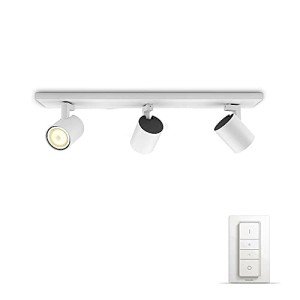
Decorative Lighting in the UK: A Comprehensive Guide
In the last few years, decorative lighting has actually taken centre phase in interior decoration throughout the UK. House owners and decorators alike are increasingly recognising the importance of lighting not just for functionality, but also for visual appeals. This post looks into the numerous kinds of decorative lighting readily available, the most current trends in the UK market, and practical ideas for selecting and setting up the best lighting to improve numerous spaces in homes.
Comprehending Decorative Lighting
Decorative lighting encompasses a broad variety of light fixtures that serve to enhance the beauty of an area while also supplying illumination. page of lighting adds a touch of style, character, and heat to environments, creating moods and highlighting architectural functions. The crucial difference in between decorative lighting and other types of lighting, such as job or ambient lighting, is that decorative lighting primarily aims to create visual appeal.
Types of Decorative Lighting
There are various types of decorative lighting that homeowners can pick from, including:
- Chandeliers: Often the focal point of dining areas or grand entryways, chandeliers are complex lights with several bulbs and artistic designs.
- Pendant Lights: Suspended from the ceiling, pendant lights are offered in different styles, making them suitable for kitchen areas, dining locations, or living rooms.
- Wall Sconces: Mounted on walls, these fixtures can offer ambient lighting or spotlight specific areas, such as artwork or architectural details.
- Table Lamps: Used on bedside tables, desks, or side tables, they can vary from minimalist designs to elaborate artistic pieces.
- Floor Lamps: These flexible fixtures can fill empty corners while supplying both ambient and task lighting.
- Fairy Lights: String lights or fairy lights include a whimsical touch to both indoor and outdoor areas, perfect for developing a welcoming environment.
- Neon Signs: An emerging pattern, neon signs add a modern, metropolitan flair and are popular for home bars, recreation rooms, and individual areas.
Present Trends in Decorative Lighting
The UK lighting market has experienced numerous progressing trends that show consumer preferences and advancements in technology. A few of the prominent trends consist of:
- Sustainable Lighting: Eco-friendly choices, such as LED lighting, are increasingly favoured for their energy efficiency and lower carbon footprint.
- Smart Lighting: Integration of smart technologies allows house owners to manage their lighting through mobile phones or voice assistants, providing benefit and versatility.
- Vintage and Industrial Designs: The rustic appeal of vintage and industrial styles remains in style, as they can effortlessly blend with both modern and traditional interiors.
- Geometric Shapes: Light fixtures including bold geometric shapes add to a contemporary visual that appeals to modern property owners.
Choosing the Right Decorative Lighting
When selecting decorative lighting, it is very important to think about the following aspects:
- Purpose: Determine the primary purpose of the lighting. Is it to develop an inviting environment, emphasize art work, or provide practical lighting for activities?
- Design: Carry out research study to ensure that the picked lighting complements the existing decor and shows personal style preferences.
- Size: Consider the scale of the space. Extra-large fixtures can overwhelm small spaces, while small alternatives may appear lost in larger areas.
- Positioning: Think seriously about where the fixtures will be installed, guaranteeing they are accessible and efficiently light up the desired locations.
- Energy Efficiency: Opt for energy-efficient LEDs whenever possible to minimize energy bills and contribute to sustainability.
Setting Up Decorative Lighting
When decorative lighting alternatives have been chosen, appropriate setup is essential to attaining the desired effect. Here are some guidelines to follow:
- Mounting Height: Ensure that chandeliers and pendant lights hang at a proper height. They must offer adequate light without obstructing views or movement.
- Layered Lighting: Incorporate various layers, including job, ambient, and decorative lighting, to develop balance and depth within an area.
- Dimmers: Installing dimmer switches can provide versatility in changing light intensity based upon activities and mood.
- Professional Assistance: For complex installations, it might be advantageous to employ a professional electrical contractor to make sure security and compliance with regional regulations.
Decorative lighting uses a great chance for house owners in the UK to reveal their design while boosting the functionality of their areas. With a variety of choices readily available, careful factor to consider of aspects such as style, size, and placement can lead to sensational results. As trends continue to develop, people can stay on the cutting edge of decorative lighting style.
Frequently Asked Questions (FAQs)
Q: What is the distinction in between decorative lighting and ambient lighting?A: Decorative lighting is mainly concentrated on aesthetic appeal, while ambient lighting supplies basic lighting for an area. Q: How can I pick the right size chandelier for my dining room?A: A typical general rule is to add the dimensions of the room(
in feet)and use that number as the size of the chandelier(in inches ). Q: Are LED lights suitable for decorative lighting?A: Yes, LED lights are commonly used
due to their energy effectiveness, long life expectancy, and capability to come in various styles. Q: Is it required to seek advice from an expert for installation?A: While some installations can be done DIY, it's recommended to
consult a professional for complicated setups to ensure security and
compliance. Q: What products are popular for decorative lighting fixtures in the UK?A: Common materials consist of glass, metal, material, and wood, each adding to different designs and aesthetic appeals. By understanding the different kinds of decorative lighting readily available, remaining notified about the current trends, and following important guidelines for choice and installation, anyone can change their home into beautiful sanctuaries of light.